Benefits of PLA Filament in 3D Printing

When you start working with 3D printing, choosing the right material is crucial. PLA filament stands out as one of the most popular options. It offers a range of benefits that make it ideal for many applications. Whether you are creating prototypes, custom parts, or functional products, PLA can meet your needs effectively.
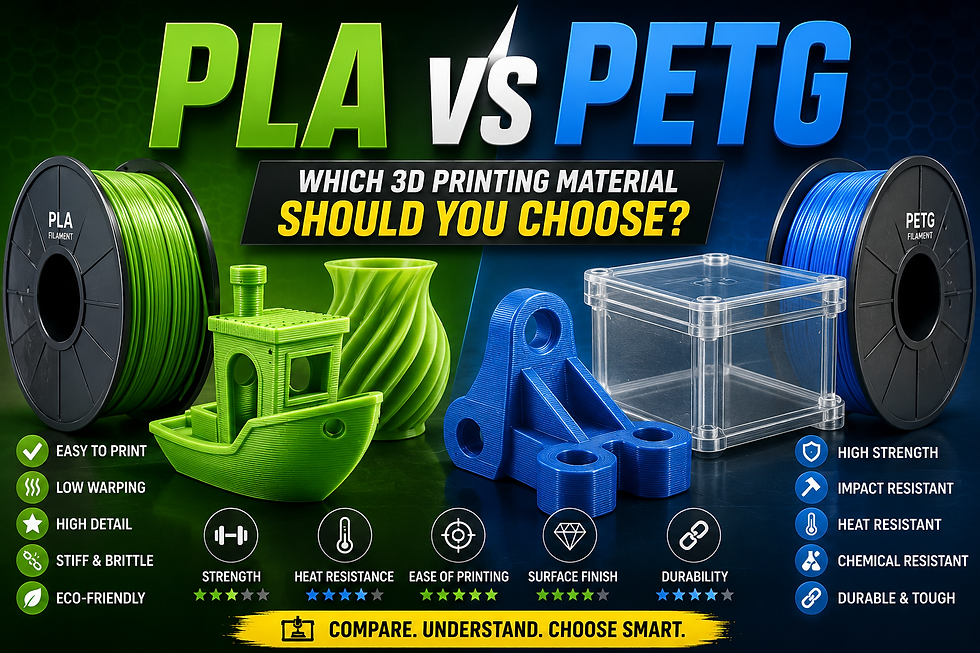
Why Choose PLA Filament? Key Benefits Explained
PLA, or polylactic acid, is a biodegradable thermoplastic derived from renewable resources like corn starch or sugarcane. This origin gives it several advantages over traditional petroleum-based plastics.
Eco-friendly and sustainable: PLA breaks down naturally over time, reducing environmental impact.
Ease of use: It prints at lower temperatures and with less warping, making it beginner-friendly.
Good surface finish: PLA produces smooth, detailed prints with vibrant colours.
Low odour: Unlike some filaments, PLA emits minimal smell during printing.
Wide compatibility: Most FDM 3D printers support PLA without special modifications.
These benefits make PLA a reliable choice for innovators and engineers who want consistent results without complex setup.

Practical Advantages of PLA Filament in Your Projects
Using PLA filament for 3D printing offers practical benefits that can improve your workflow and product quality.
Fast prototyping: PLA cools quickly, allowing you to produce prototypes rapidly. This speed helps you iterate designs efficiently.
Dimensional accuracy: PLA maintains shape well during printing, which is essential for parts that require tight tolerances.
Minimal post-processing: The smooth finish reduces the need for sanding or polishing.
Cost-effective: PLA is generally affordable, making it suitable for both small and large-scale projects.
Safe handling: Since PLA is non-toxic and biodegradable, it is safer to use in office or educational environments.
By leveraging these advantages, you can streamline your design-to-production process and reduce material waste.
Can you drink out of 3D printed cups?
Many wonder if 3D printed cups made from PLA are safe for drinking. The answer depends on several factors.
PLA is food-safe in its pure form, but the printing process can introduce contaminants. Layers in 3D prints create tiny gaps where bacteria can grow. Additionally, some PLA filaments contain additives or colourants that are not food-grade.
If you want to use PLA cups for drinking:
Use food-safe PLA filament explicitly labelled for this purpose.
Apply a food-safe sealant or coating to the printed cup to close gaps.
Avoid prolonged exposure to hot liquids, as PLA has a low glass transition temperature (around 60°C) and can deform.
Clean the cup thoroughly after each use.
For short-term or decorative use, PLA cups are fine. For regular drinking, consider other materials or post-processing methods to ensure safety.

How PLA Supports Custom Part Development and Innovation
When developing custom parts, you need a material that balances performance and ease of manufacturing. PLA fits this role well.
Design flexibility: PLA prints complex geometries with fine details, enabling innovative designs.
Rapid iteration: Quick print times let you test multiple versions without delay.
Functional prototypes: While not as heat-resistant as some plastics, PLA parts can serve well in low-stress applications.
Visual models: PLA’s vibrant colours and smooth finish help communicate design intent clearly to stakeholders.
Using pla filament for 3d printing allows you to focus on refining your product rather than troubleshooting material issues. This support is vital for businesses aiming to bring ideas to life efficiently.
Tips for Optimising Your PLA Prints
To get the best results from PLA filament, consider these practical tips:
Print temperature: Set your nozzle between 190°C and 220°C depending on the filament brand.
Bed temperature: Use a heated bed at 50°C to 60°C to improve adhesion.
Print speed: Moderate speeds (40-60 mm/s) balance quality and time.
Cooling: Enable part cooling fans to enhance surface finish and reduce stringing.
Storage: Keep PLA dry in sealed containers with desiccants to prevent moisture absorption.
Following these guidelines helps you produce reliable, high-quality prints that meet your project requirements.
Moving Forward with PLA Filament in Your 3D Printing Workflow
PLA filament offers a compelling combination of sustainability, ease of use, and print quality. It suits a wide range of applications from concept models to functional parts. By understanding its properties and limitations, you can make informed decisions that enhance your 3D printing projects.
Whether you are creating prototypes or final products, PLA helps you turn ideas into reality with fewer obstacles. Embrace this versatile material to streamline your design process and deliver consistent results.
Explore how PLA filament can fit into your workflow and elevate your 3D printing capabilities today.


Comments